Advertisement

The Netherlands head into the Rugby Europe Championship 2026 at a genuine crossroads.
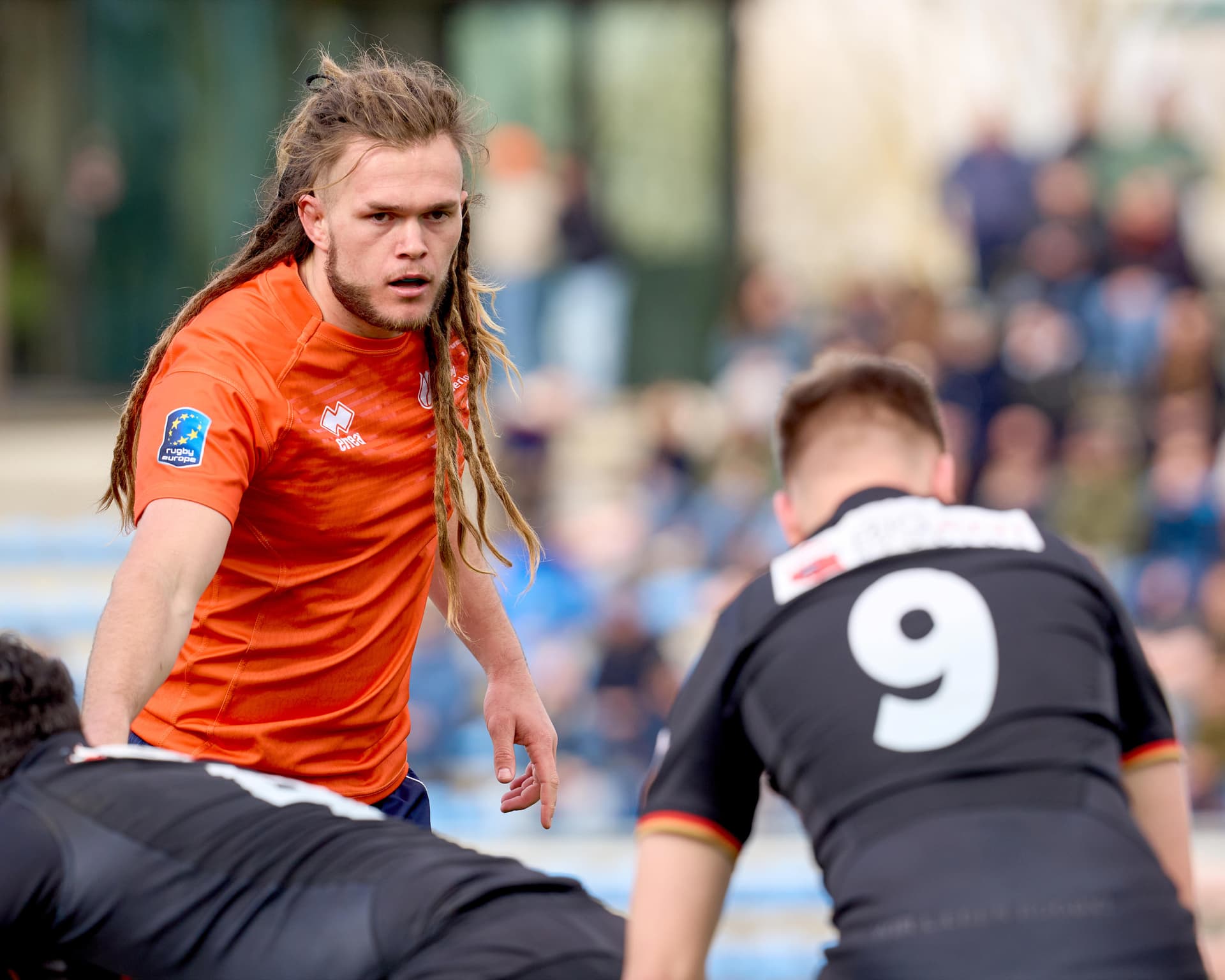
The Netherlands head into the Rugby Europe Championship 2026 at a genuine crossroads.
A new head coach, the retirement of several senior figures, and a deliberate shift toward youth have all combined to mark the beginning of a new cycle for Dutch rugby. The long-term target is clear — 2031 — but the immediate challenge is far less forgiving.
With relegation a very real risk in this year’s REC, the Netherlands cannot afford to drift through a transitional season without consequence.
The most striking feature of this Netherlands squad is what’s missing.
With experienced internationals hanging up their International boots, bringing an end to a cycle that delivered incremental progress but ultimately plateaued. The appointment of a Bryan Easson has accelerated that reset, with selection signalling a willingness to break from the past rather than cling to it.
This is not a gentle refresh — it’s a clear reboot.
The direction is unmistakable:
younger players, broader development pathways, and a squad profile aligned with long-term growth.
Several players in this group are:
Uncapped at senior international level
Embedded in university or semi-professional systems
Being fast-tracked into international rugby
The Netherlands are not hiding the fact that 2031 is the real horizon. The problem is that the REC does not pause for long-term planning.
While the vision is commendable, the timing is dangerous.
REC 2026 offers:
No margin for bedding players in slowly
No “development fixtures”
A Finals Day structure that can punish inexperience brutally
The Netherlands must strike a delicate balance:
develop without collapsing.
Fail to manage that balance, and the relegation conversation will arrive far earlier than planned.
The current squad is defined by energy, athleticism and versatility — but also by limited international experience.
The coaching staff have placed faith in players drawn from:
Dutch domestic clubs (Eemland, The Dukes, HRC, DIOK)
English and Welsh university systems
French clubs in Nationale and Pro D2 environments
This mix brings upside — but cohesion will be everything.
(players & clubs at time of selection)
Bilaal Egberts – Rugby Club Eemland
Dennis van Dijken – CA Sarladais Périgord Noir
Dirk Bruil – Castricumse Rugby Club
Gabor Besuijen – RC Dendermonde
Jack Slob* – Rugby Club Hoek van Holland
Jazz Drolsbach* – Stade Aurillacois Cantal Auvergne
Joris Smits – RFC Haarlem
Jurriaan Jorna – Haagsche Rugby Club
Lars Linnenbank – Garryowen RFC
Marijn Huis – London Scottish
Mart van der Veen* – Loughborough University
Mike Hansen* – Cardiff Metropolitan University
Quermy Warmerdam – Greystones RFC
Spike Salman – Stado Tarbes Pyrénées Rugby
Taffy Kahembe – Eastside Tsunami RFC
Thymo Peters – Garryowen RFC
Tim de Jong – Stade Aurillacois Cantal Auvergne
Toine Obiang Nguema* – La Rochelle
Tom van Ooijen* – Rugby Club The Dukes
Wytze Molenkamp* – Rugby Club Eemland
Bjorn Dolman – Haagsche Rugby Club
Boris Hadinegoro – Stade Aurillacois Cantal Auvergne
Hein Thielen* – Rugby Club The Dukes
Ilan Vaassen* – Castricumse Rugby Club
Jules Swier* – CA Sarladais Périgord Noir
Mathijs de Wit* – Rugby Club Eemland
Max van Hilst – Cardiff Metropolitan University
Mees Voets – Rugby Club The Dukes
Oliva Sialau – Rugby Club The Dukes
Sem Verplancke – Rugby Club DIOK
Te Hauora Campbell – Rugby Club ’t Gooi
Tibbe van de Kamp* – Rugby Club Eemland
Tobias Nota* – Deportiva Francesa
Twan Stevens* – Rugby Club ’t Gooi
Vikas Meijer – Cardiff Metropolitan University
* Players without a senior international cap
For the Netherlands, success this season won’t be defined by silverware — but by survival and trajectory.
Key objectives:
Avoid being dragged into the relegation play-off
Establish a competitive baseline week to week
Identify a reliable core to carry into the next cycle
Lose too many early matches, and the long-term plan risks being derailed before it truly begins.
The Netherlands are doing something brave — and risky.
They’ve chosen long-term vision over short-term comfort, youth over familiarity, and reset over stagnation. But the Rugby Europe Championship is an unforgiving environment for transition phases.
REC 2026 will answer one vital question:
Can the Netherlands build for 2031 without paying the price in 2026?
Because in this Championship, development only works if you survive long enough to see it through.